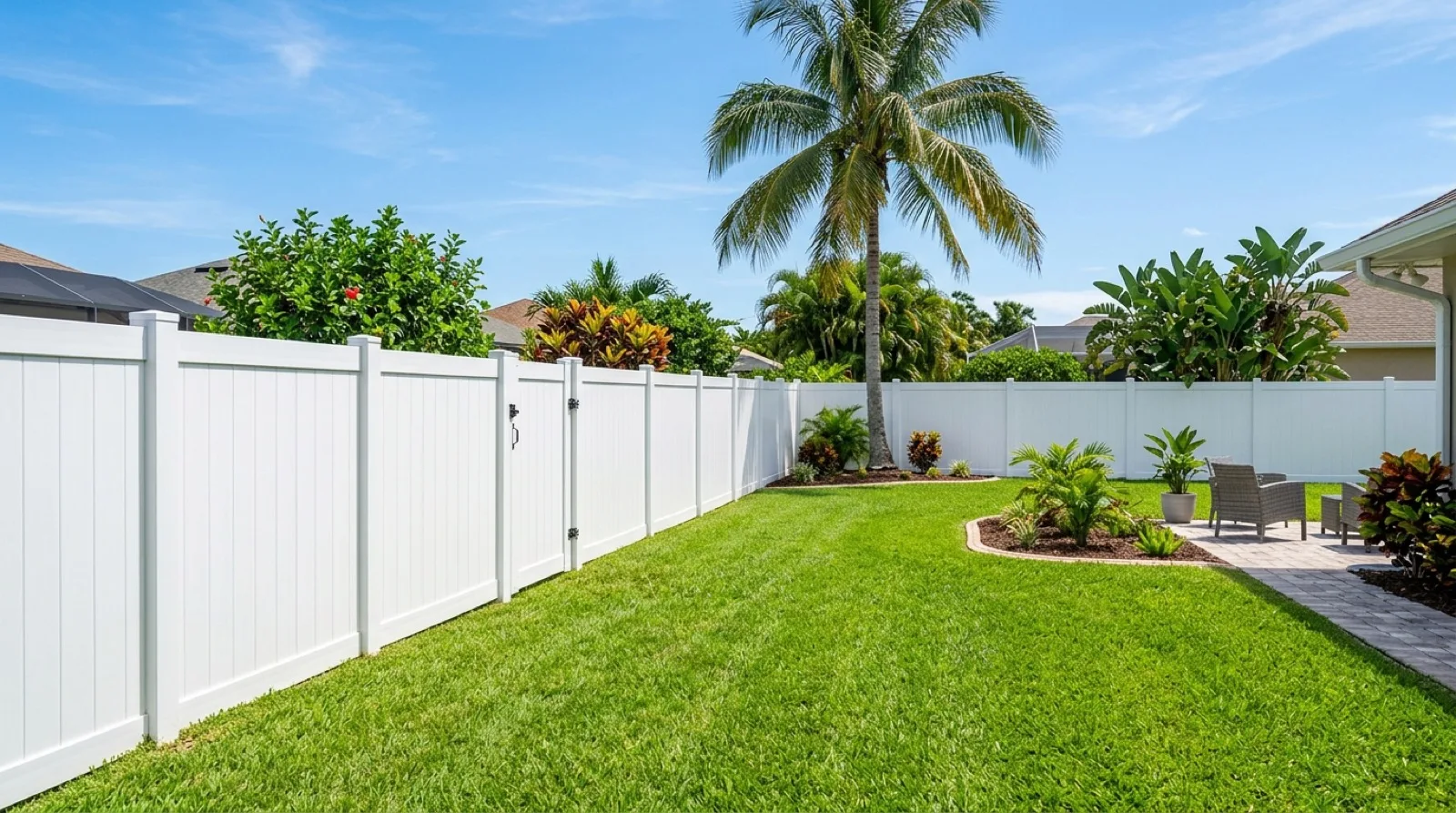
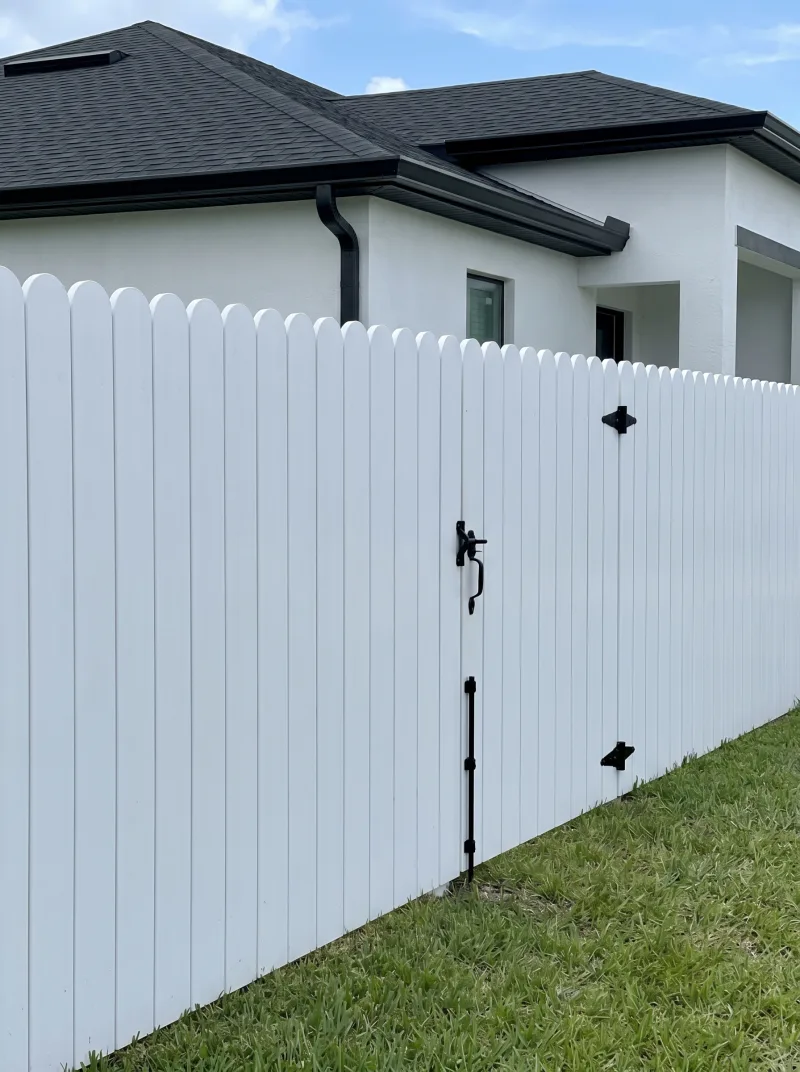
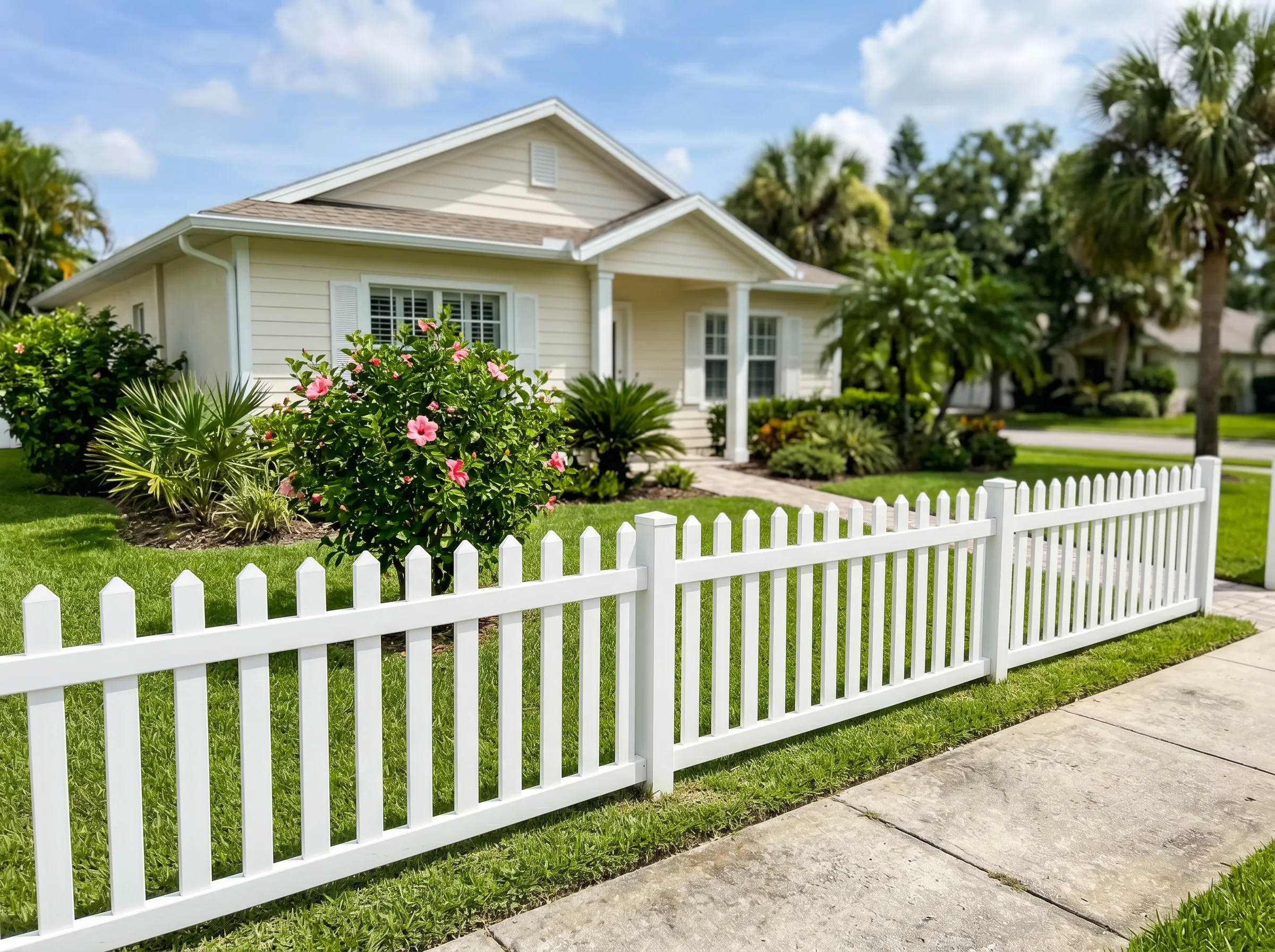
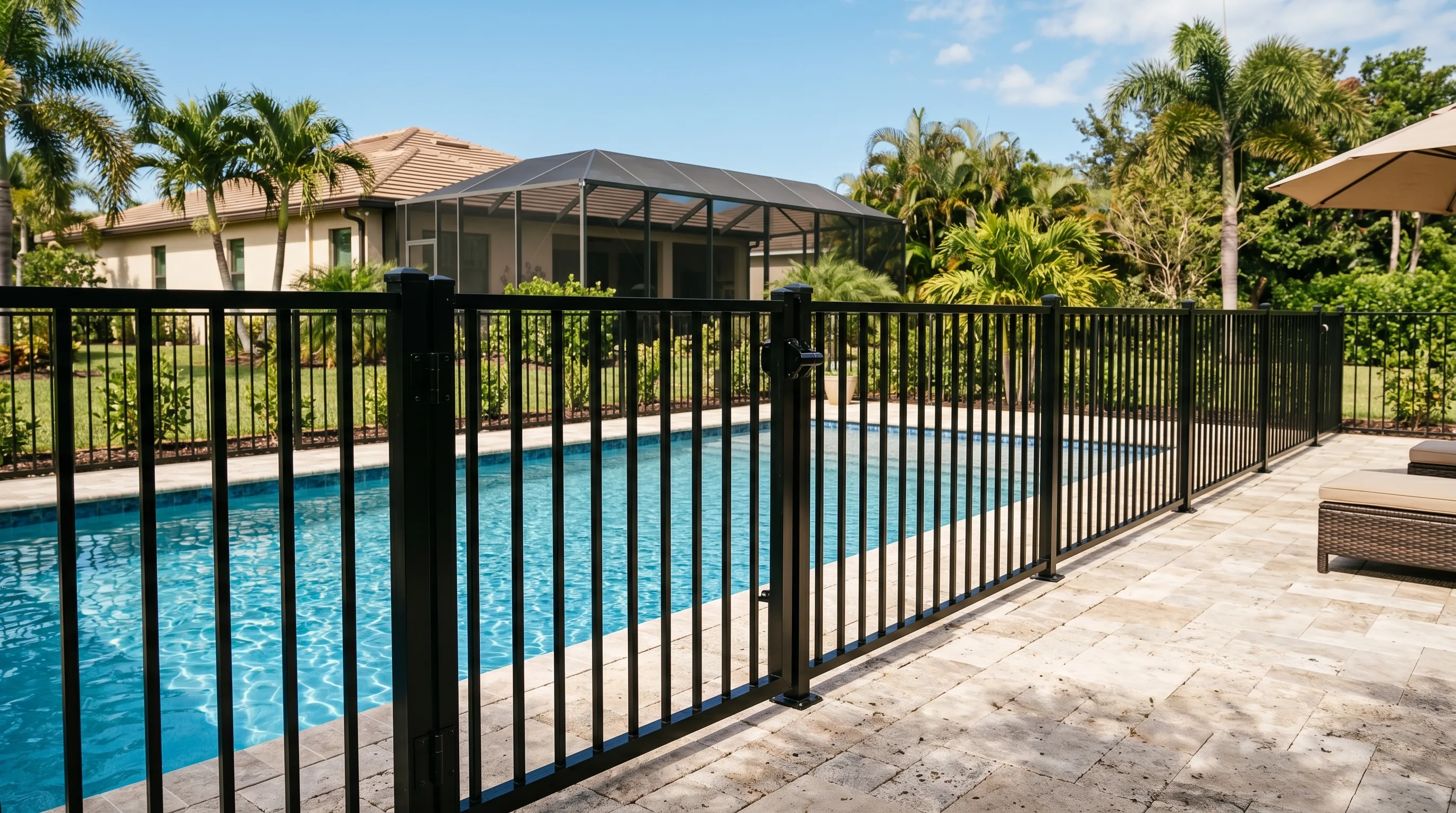
Florida law requires every residential pool to have a code-compliant fence. Here's exactly what §515 says — height, gates, picket spacing — in plain English.
If you have a residential pool in Florida — in-ground or above-ground over 24 inches deep — you're legally required to have a code-compliant safety barrier. The law is Florida Statute §515 (the Residential Swimming Pool Safety Act).
Marion County inspectors take this seriously. We've seen homeowners get fined or denied final pool inspection for fences that look fine but miss a small detail. Here's exactly what the code requires.
The 5 mandatory requirements
1. Minimum height: 4 feet
Measured from the ground to the top of the fence. The 4-foot height must be maintained on the exterior side of the fence — meaning ground-level features like landscaping rocks or planters can't be used to shorten the effective barrier.
2. Picket spacing: less than 4 inches
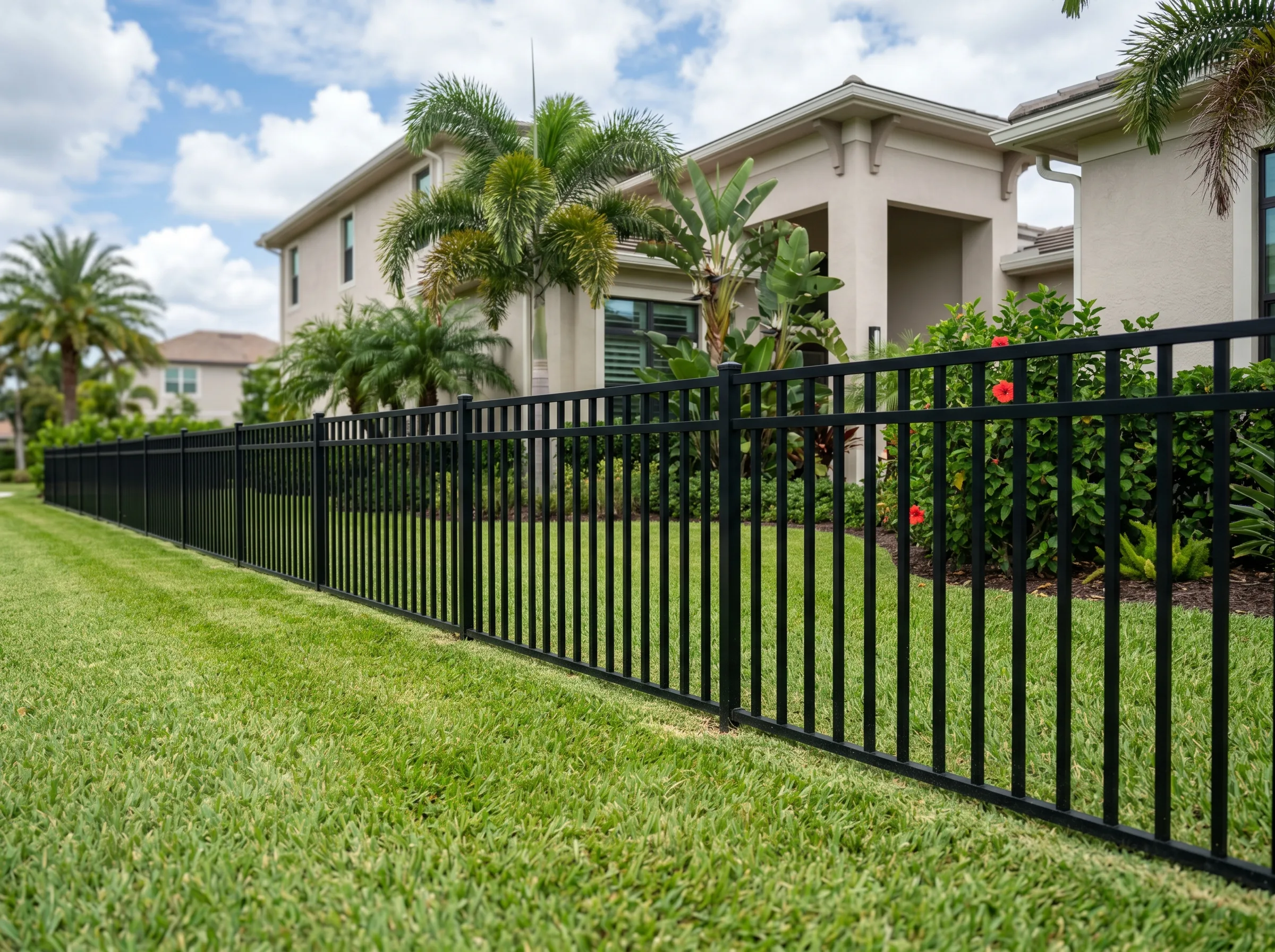
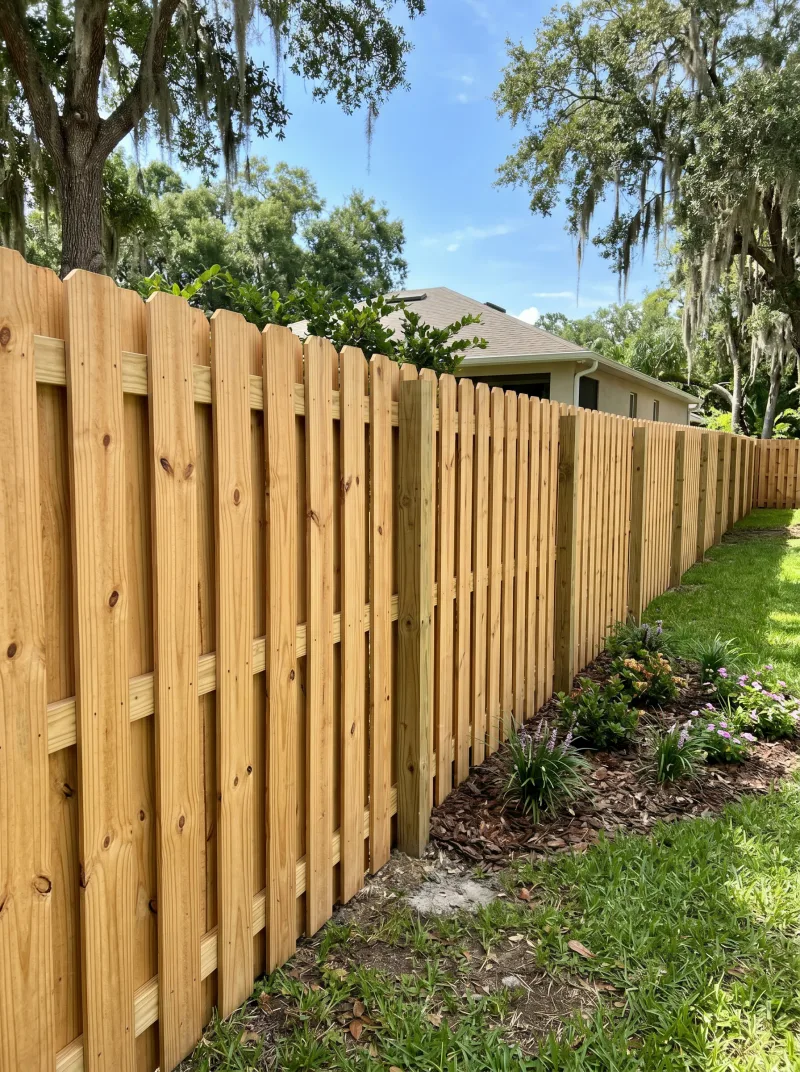
Spacing between vertical pickets must not exceed 3.99 inches (less than 4). This prevents children from passing through. Aluminum and vinyl picket fences sold as "pool code" already meet this — wood picket fences usually don't.
3. Bottom gap: less than 2 inches
The space between the ground and the bottom of the fence must be less than 2 inches. On uneven yards, we typically install with a kickboard or trench the fence to maintain the gap requirement everywhere.
4. Self-closing, self-latching gates
All gates must:
- →Open outward away from the pool
- →Self-close automatically (spring hinges)
- →Self-latch at minimum 54 inches above the ground
- →Have a magnetic latch that's child-resistant
5. No climbable features within 45 inches
No horizontal rails, decorative scrolls, or pool equipment that a child could use as a foothold within 45 inches of ground level on the exterior side of the fence. This is why aluminum 3-rail fences with the rails near top and bottom are pool-code-friendly — but 4-rail "estate" styles are not.
What materials qualify
- ✓Aluminum ornamental (most popular — black, see-through, durable)
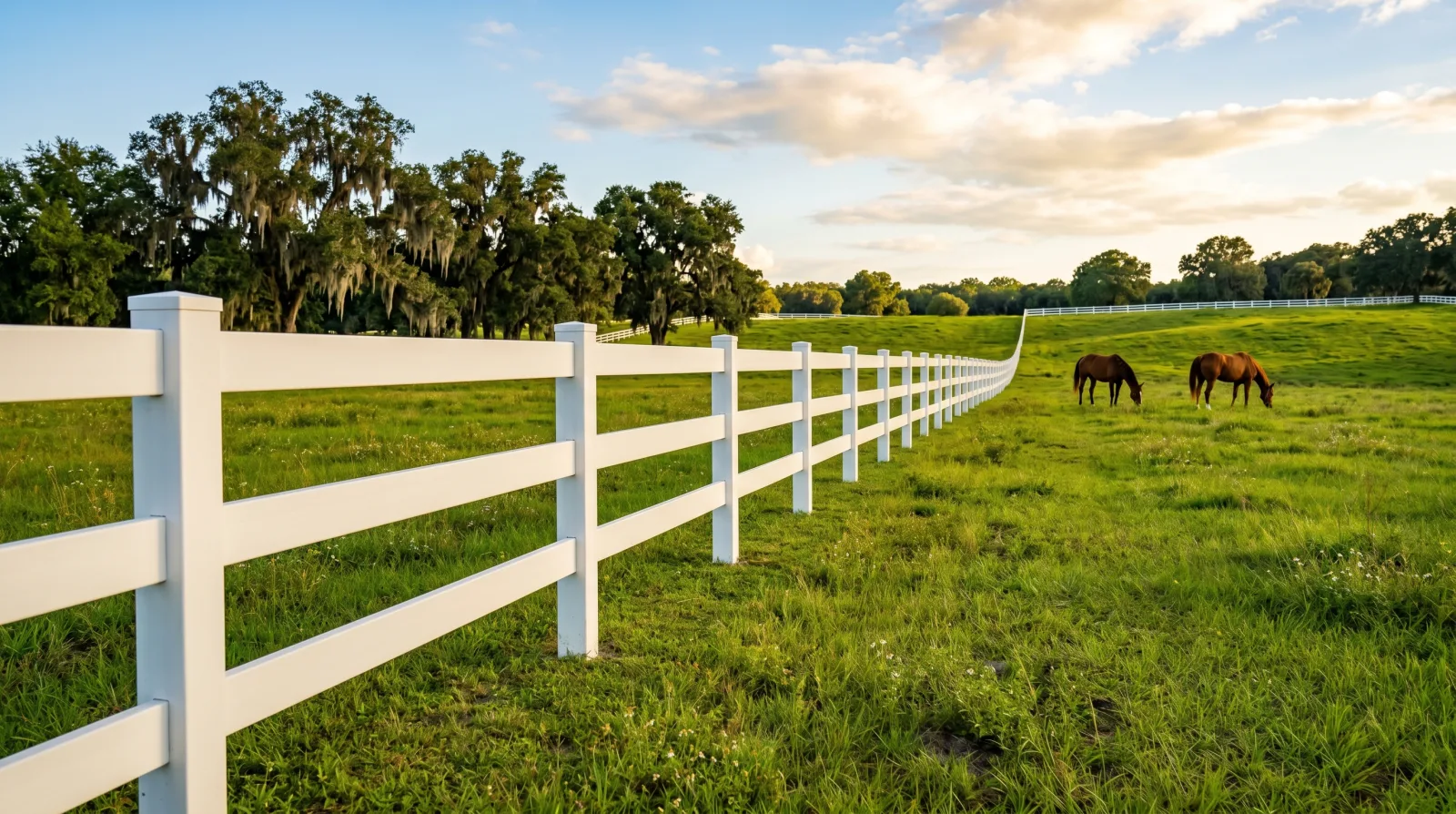
- ✓Vinyl picket with proper picket spacing
- ✓Mesh pool fence (removable, less permanent)
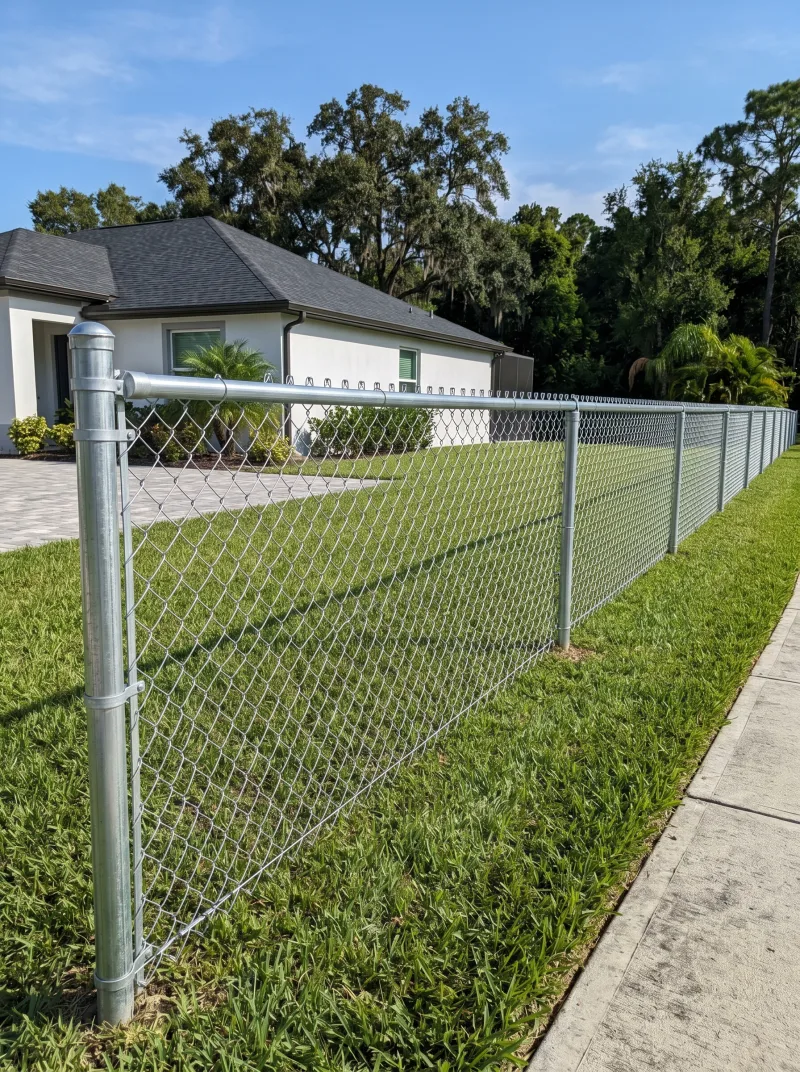
- ✗Standard chain link (gaps too large unless modified)
- ✗Wood split-rail (gaps too large)
The most common code violation
In Marion County, the #1 violation we see is the self-latching gate at proper height. Homeowners install code-compliant fence panels but use a regular gate latch at 36 inches — and fail inspection.
The latch must be at 54 inches minimum measured from the bottom of the gate or the ground (whichever is higher).
Don't risk a failed inspection
A failed pool fence inspection delays your final Certificate of Occupancy if you're building, or your pool inspection if you're remodeling. We've seen homeowners lose 2-4 weeks of pool season fixing fence issues that should have been done right the first time.
Need a §515-compliant pool fence? Every pool fence we install passes Marion County inspection — guaranteed. See our aluminum pool fence options →

Written by
Andri Ramírez
Founder, Fence Experts of Ocala